
In the era of escalating environmental concerns and stringent waste regulations, double shaft shredders (also known as twin shaft shredders) have emerged as indispensable equipment in modern industrial waste management. These robust machines excel at processing tough, bulky, and contaminated waste materials — especially plastics, tires, metals, wood, and electronic waste — turning them into manageable fragments for recycling or safe disposal.
For plastic recycling plants, waste management facilities, and manufacturing operations, investing in a high-quality double shaft shredder significantly boosts efficiency, reduces costs, and supports circular economy goals. This comprehensive guide explores how these powerful shredders are revolutionizing industrial waste processing.

Understanding Double Shaft Shredders
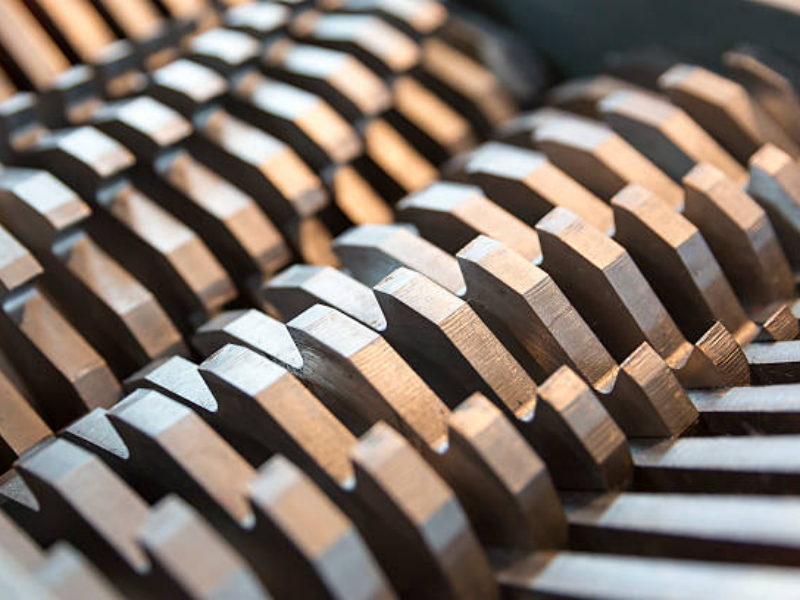
A double shaft shredder is a heavy-duty size-reduction machine featuring two counter-rotating shafts equipped with interlocking cutting blades or knives. Unlike single-shaft designs, the dual-shaft configuration provides superior torque and shearing force, making it ideal for shredding difficult materials that would jam or damage other equipment.
These machines are widely used in the preprocessing stage of recycling lines. Raw waste enters the shredding chamber, where the rotating shafts tear, shear, and break it down into smaller, uniform pieces (typically 20–100mm depending on blade configuration). This pre-shredded material then feeds efficiently into downstream equipment like granulators, washing lines, or pelletizers.
Double shaft shredders are particularly popular in the plastic recycling industry for handling bales of PET bottles, HDPE containers, PP films, industrial scraps, and mixed plastic waste. Their ability to process contaminated or mixed waste makes them a foundational tool for sustainable manufacturing.
How Double Shaft Shredders Work: The Process Explained
The operating principle of a twin shaft shredder is both simple and powerful:
- Material Feeding: Waste is fed via conveyor, hopper, or hydraulic ram into the shredding chamber.
- Dual Shaft Shearing: Two parallel shafts rotate in opposite directions at low speed but with extremely high torque. The interlocking blades grab, pull, and shear the material.
- Size Reduction: Materials are repeatedly cut until they are small enough to pass through the sizing screen or discharge opening.
- Discharge: Shredded output falls onto a conveyor for further processing.
Modern double shaft shredders incorporate hydraulic drives, PLC control systems, and automatic reverse functions to prevent jamming. Sensors monitor load and automatically adjust speed or reverse rotation when overloaded, ensuring continuous operation and protecting the machine.
This low-speed, high-torque design generates less heat and dust compared to high-speed granulators, preserving material quality for recycling.
Key Components of a High-Performance Double Shaft Shredder
A quality industrial double shaft shredder consists of several critical parts:
- Shredding Chamber & Rotors: Heavy-duty alloy steel rotors with replaceable blades made from hardened tool steel or D2 material for extended wear life.
- Drive System: Powerful electric or hydraulic motors (often 30–200+ kW) paired with planetary gearboxes for maximum torque.
- Hydraulic Pusher/Ram: Pushes bulky materials toward the rotors for consistent feeding.
- Screen/Filter: Controls output particle size.
- Control Cabinet: Siemens/ABB PLC with touch screen for easy operation, safety interlocks, and remote monitoring.
- Safety Features: Emergency stops, overload protection, and enclosed design to minimize noise and dust.
Leading manufacturers like IVIMA Tech offer customized configurations for specific waste types, with options for different blade thicknesses, rotor diameters, and motor powers.
Advantages of Double Shaft Shredders Over Other Shredders
Why choose double shaft shredders for industrial waste management?
- Superior for Bulky & Tough Waste: Excellent at handling large items like plastic drums, pipes, tires, and bales that single-shaft shredders struggle with.
- High Torque & Low Speed: Reduces wear, energy consumption, and noise while delivering powerful shearing action.
- Versatility: Processes mixed waste streams including plastics, wood, paper, textiles, and light metals.
- High Throughput: Capable of processing 500–5000+ kg/hour depending on model and material.
- Low Maintenance: Robust construction and easy blade replacement minimize downtime.
- Better for Contaminated Waste: Handles dirty or wet materials better than high-speed alternatives.
Compared to single-shaft shredders, twin-shaft models offer greater durability and lower operating costs in heavy-duty applications.
Major Applications Across Industries
Double shaft shredders serve diverse sectors:
Plastic Recycling:
- Pre-shredding PET bottles, HDPE drums, agricultural films, and post-industrial scraps before washing and pelletizing.
Municipal Solid Waste (MSW):
- Volume reduction of household and commercial waste for landfill diversion or RDF (Refuse-Derived Fuel) production.
Tire Recycling:
- Shredding whole tires into chips for rubber crumb production or energy recovery.
E-Waste & Metal Recycling:
- Processing cables, circuit boards, and light metal scrap.
Wood & Biomass:
- Preparing wood pallets, branches, and furniture waste for biomass fuel or particleboard.
Medical & Hazardous Waste:
- Secure destruction of medical plastics and packaging.
In plastic pipe manufacturing plants, they efficiently recycle in-house scraps and rejected pipes, closing the production loop.
Technological Innovations in Modern Double Shaft Shredders
Today’s heavy duty double shaft shredders incorporate smart technologies:
- Industry 4.0 Integration: IoT sensors for real-time monitoring of vibration, temperature, and power consumption.
- AI-Driven Automation: Predictive maintenance alerts and automatic parameter optimization.
- Energy Efficiency: Variable frequency drives (VFD) and energy recovery systems.
- Modular Design: Easy customization and upgrades.
- Noise & Dust Reduction: Advanced enclosure and filtration systems for better workplace safety.
Environmental and Economic Benefits
Implementing double shaft shredders delivers significant advantages:
Sustainability Impact:
- Enables higher recycling rates by preprocessing waste effectively.
- Reduces landfill usage and greenhouse gas emissions.
- Supports circular economy by recovering valuable raw materials from waste.
Business Benefits:
- Lower waste disposal costs.
- Revenue generation from selling recycled materials.
- Compliance with environmental regulations.
- Improved operational efficiency and reduced labor needs.
Choosing the Right Double Shaft Shredder for our Needs
Key factors to consider:
- Material type and volume
- Required output size
- Throughput capacity
- Power source and energy efficiency
- Build quality and after-sales support
- Customization options (e.g., wear-resistant blades)
Future Trends in Industrial Shredding Technology
The future of double shaft shredders includes:
- Greater use of recycled and bio-based materials in machine construction.
- Enhanced AI for fully autonomous operation.
- Hybrid models combining shredding and granulating functions.
- Focus on processing emerging waste streams like solar panels and wind turbine blades.
As global plastic waste continues to grow, demand for advanced shredding solutions will surge.
Conclusion
Double shaft shredders are truly key tools for modern industrial waste management. Their robust design, high efficiency, and versatility make them essential for any serious recycling or waste processing operation. Whether you’re running a plastic recycling plant, managing municipal waste, or seeking to optimize in-house scrap recovery, a quality twin shaft shredder delivers unmatched performance and long-term value.
Companies looking to enhance sustainability and profitability should evaluate upgrading to modern double shaft shredder technology. With proper integration into a complete recycling line, these machines not only solve today’s waste challenges but also position businesses for a greener future.