
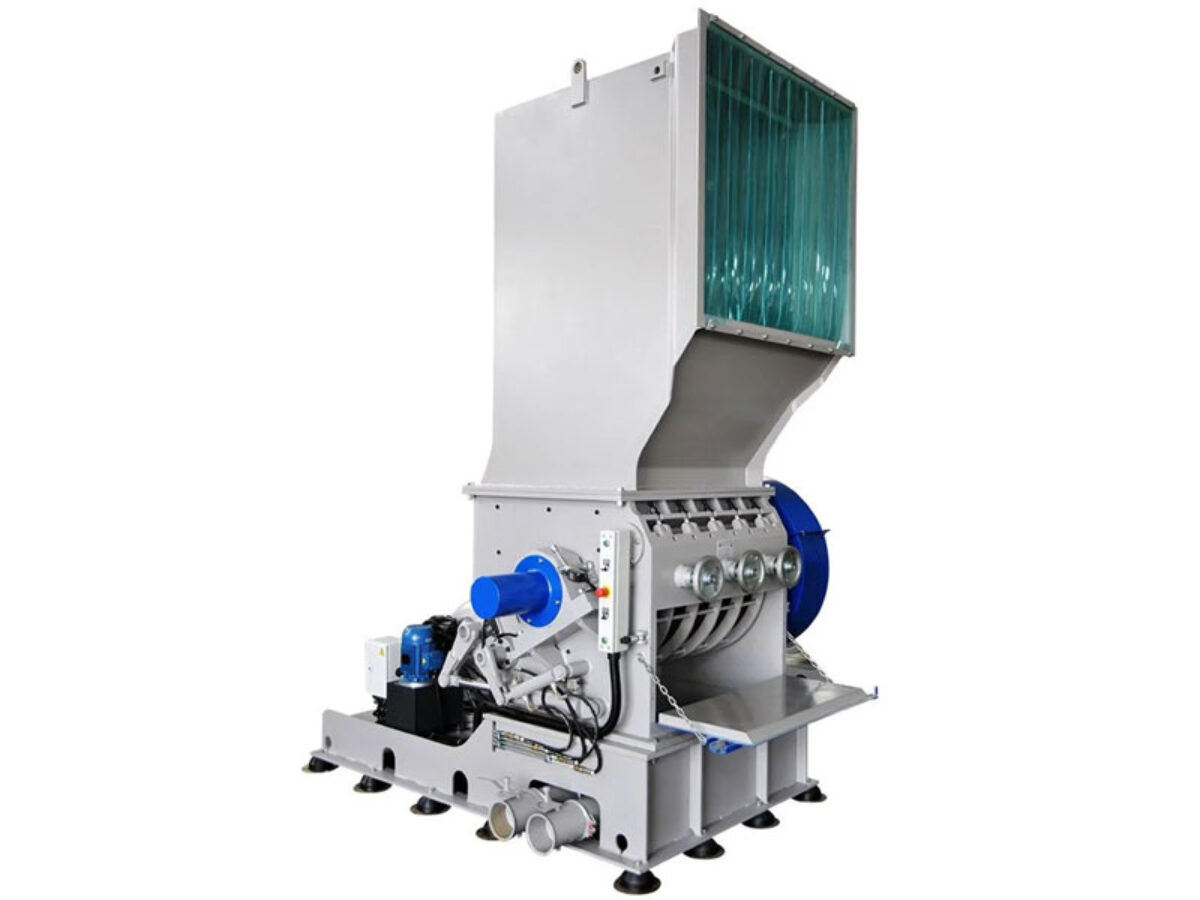
What are the best Heavy-Duty granulators for plastic recycling
In an era where plastic waste has become one of the planet’s most pressing environmental challenges, eco-friendly plastic granulators and mills are emerging as game-changing solutions. These advanced machines don’t just process scrap—they transform it into high-quality reusable granules, powering the circular economy. As we look toward 2030 and beyond, the future of sustainable plastic granulators and energy-efficient plastic mills is defined by smarter technology, lower carbon footprints, and seamless integration with Industry 4.0 systems.
Global demand for recycled plastics is exploding. Regulations like the EU Green Deal and U.S. recycled-content mandates are pushing manufacturers to adopt eco-friendly plastic granulator machines that deliver higher efficiency with drastically reduced energy use. Market reports from early 2026 project the plastic granulator sector growing at a steady CAGR, with intelligent, low-energy models leading the charge.
This 2000-word guide explores every angle: from core technology to breakthrough innovations, real-world benefits, and what the next decade holds for sustainable plastic recycling granulators and mills. Whether you’re a recycler, injection molder, or packaging producer, understanding these trends will help you stay ahead in the green transition.
What Are Plastic Granulators and Mills – And Why Do They Matter?
Plastic granulators (also called granulator machines or pelletizers) cut plastic waste—sprues, film, bottles, profiles, or post-consumer scrap—into uniform granules (typically 2-10 mm). Plastic mills (often slow-speed or cutting mills) focus on finer grinding or pulverizing for specific applications like powder coating or masterbatch production.
Together, they form the backbone of in-house and industrial recycling. A modern eco-friendly plastic granulator doesn’t just shred; it produces clean, dust-free granules ready for direct reprocessing into new products—closing the loop without virgin resin.
Traditional granulators consumed high energy, generated noise and dust, and struggled with contaminated or mixed plastics. Today’s sustainable plastic mills solve these pain points with precision engineering. They handle everything from PET flakes to flexible films and biodegradable resins, making closed-loop recycling viable for SMEs and multinationals alike.
The Current Challenges Driving Innovation
Plastic recycling rates remain low globally (under 10% for many streams), largely due to inefficient downstream processing. Contamination, inconsistent granule quality, high energy costs, and microplastic generation have held the industry back.
Enter eco-friendly plastic granulators: 2026 models achieve up to 32% lower specific energy consumption per kg of material compared to 2020s predecessors. Features like variable-speed rotors (e.g., Rapid Granulator’s OneCUT PRO) maintain torque while slashing power draw by 80% via EnergySmart systems. Low-noise, dust-reduced designs comply with stricter workplace and environmental regs.
Mills are evolving too. Slow-speed granulation innovations minimize heat buildup, preserving material properties—crucial for high-PCR (post-consumer recycled) content that must match virgin performance.
Why “Eco-Friendly” Is No Longer Optional – It’s the Standard
Regulatory pressure is the biggest driver. Europe’s Circular Economy Act and similar U.S. policies demand 30%+ recycled content in packaging by 2030. China and emerging markets are following suit with carbon taxes and waste import bans.
Eco-friendly plastic granulator machines directly address these mandates:
- Energy efficiency: Advanced motors and smart controls cut electricity use dramatically.
- Carbon footprint reduction: On-site granulation eliminates transport emissions from off-site disposal.
- Material recovery: Higher purity granules boost PCR adoption in food-grade and high-performance applications.
Manufacturers using sustainable plastic mills report 20-40% material cost savings while hitting ESG targets. The shift toward bio-based and ocean-feedstock plastics (seaweed-derived, for example) requires granulators that handle softer, more variable resins without jamming or degrading quality.
Breakthrough Technologies Defining the Future
- Intelligence and Automation (Industry 4.0 Integration) IoT-enabled plastic granulator machines now feature predictive maintenance via cloud platforms. Sensors monitor knife wear, vibration, and throughput in real time—reducing downtime by 50%+. AI optimizes rotor speed based on material type, maximizing output while minimizing energy.
- Energy-Efficient and Low-Impact Designs V-cut rotors, quick-rotor-release systems, and tungsten-carbide blades extend service life 4x while consuming far less power. WEIMA and Vecoplan models emphasize precise shredding with minimal dust—key for microplastics control.

- Versatile Material Handling Next-gen eco-friendly plastic granulators process mono-materials, high-PCR blends, and compostable plastics in one line. Wet granulators (Herbold SML series) combine washing + granulation for cleaner output.
- Screenless and Slow-Speed Innovations Screenless models reduce fines and dust; slow-speed mills excel at brittle or heat-sensitive scraps. These trends support higher recovery rates and closed-loop systems.
- Integration with Full Recycling Lines Granulators now link seamlessly with shredders, washers, dryers, and pelletizers—creating automated “waste-to-pellet” workflows. Eldan and similar systems target zero-waste goals.
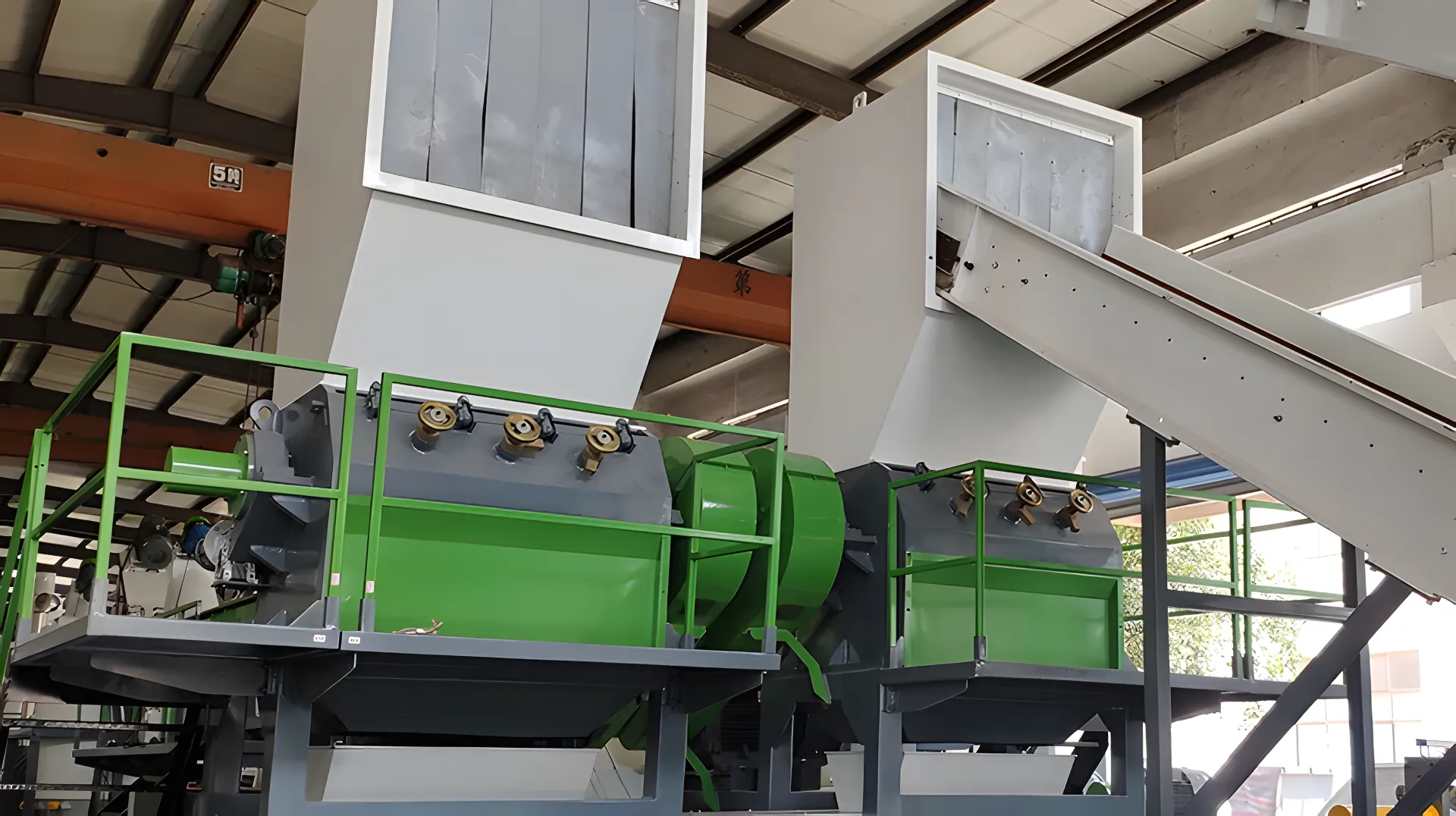
PET Bottle Granulator: Complete Guide to Efficient Plastic Recycling – Energycle
Sustainable Design: From Machine to Granule
Leading manufacturers embed circular principles into the equipment itself. Recyclable steel frames, modular components for easy repair, and energy-recovery systems (capturing waste heat) make eco-friendly plastic mills truly green.
Granules produced today meet food-contact standards more easily thanks to advanced filtration and de-contamination. This enables brands to use 100% recycled content in bottles, films, and automotive parts—driving demand for high-quality sustainable plastic granulators.
Real-World Benefits and Case Studies
- Cost Savings: On-site granulation slashes virgin resin purchases and hauling fees. One U.S. injection molder reported ROI in under 18 months using a heavy-duty industrial granulator.
- Environmental Impact: Reduced landfill use, lower CO₂ emissions (30-80% savings vs. virgin processing), and compliance with LEED/ESG reporting.
- Operational Wins: Cleaner workspaces, quieter operation, and consistent granule quality improve downstream extrusion or molding efficiency.
How To Make Recycled Plastic Pellets|Plastic Pellets Making Machine
European PET recyclers using integrated wash-granulation lines now process 25,000+ tonnes annually with minimal waste. Asian film recyclers leverage smart granulators to handle stretch film closed-loop—turning logistics waste back into new film.
Challenges on the Horizon and Solutions
- Feedstock Variability: Mixed plastics and contaminants require better sorting upstream. Solution: AI vision systems paired with adaptive granulators.
- Scalability for SMEs: High upfront cost. Solution: Modular, lease-to-own models and government green subsidies.
- Microplastics & Dust: Still a concern. Solution: Enclosed systems with advanced filtration.
- Skill Gap: Operating smart machines needs training. Solution: User-friendly interfaces and remote diagnostics.
The industry is addressing these through collaboration—equipment makers, recyclers, and regulators working together.
Predictions for 2030 and Beyond
By 2030, expect:
- Fully autonomous granulation cells with robotic feeding and real-time quality control.
- Carbon-negative designs using renewable energy integration and captured CO₂ in production.
- Universal compatibility with all emerging bio-plastics and advanced recycled resins.
- Market expansion to $5B+ for granulator machines alone, fueled by packaging and automotive sectors.
Plastic mills will evolve into precision powder systems for 3D printing and additive manufacturing. The line between granulator and pelletizer will blur as hybrid machines dominate.
The trillion-dollar circular plastics opportunity is here. Companies investing in eco-friendly plastic granulators and mills today will lead tomorrow’s sustainable manufacturing.
Conclusion: Your Move Toward a Greener Future
The future of eco-friendly plastic granulators and mills is bright, efficient, and essential. These machines are no longer cost centers—they’re profit drivers and sustainability enablers. From energy savings and regulatory compliance to superior granule quality and closed-loop potential, the benefits compound across the value chain.
If your operation still relies on outdated granulation, now is the time to upgrade. Explore models with IoT, variable-speed rotors, and proven energy efficiency. Partner with forward-thinking suppliers who design for the circular economy.