
Efficiency and adaptability are especially important in sectors where processing several kinds of materials is standard—that is, recycling plants, waste management facilities, and manufacturing units.Frequent material switching can present major obstacles to operational productivity, particularly while double shaft shredder machines that may not be tuned for varied inputs are employed.Inefficient changeovers often result in increased wear and tear, more operating costs, and downtime.
This article examines the main factors to take into account when choosing a multipurpose double shaft shredder equipment able to smoothly manage frequent material changes without sacrificing efficiency.We will examine the key issues raised by different materials, important structural design aspects, best blade arrangements, automated solutions to speed changeover, and a costbenefit analysis to guide your educated decision for your own needs.
1.Challenges of Handling Diverse Materials in Double Shaft Shredder Machines
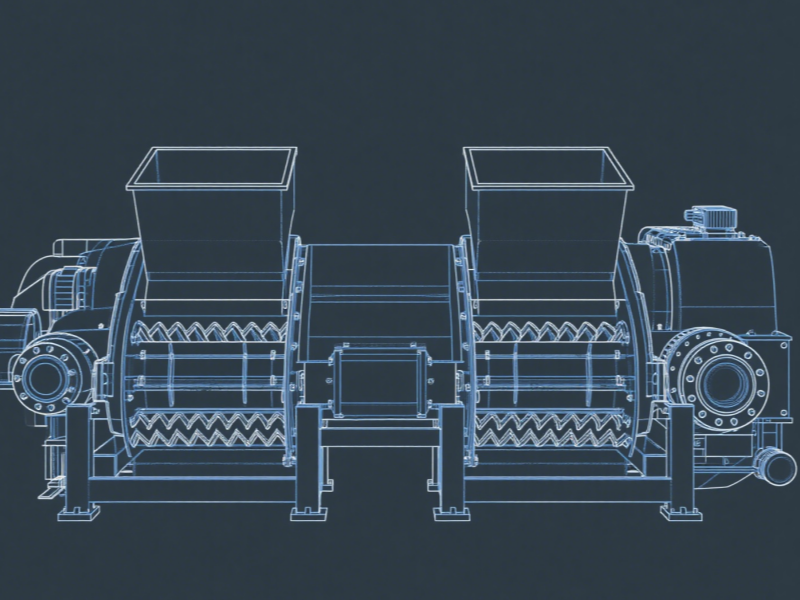
Complex job involving many different kinds of materials, double shaft shredder machines call for thorough thinking about the machine’s capacity and limitations.Frequently needing to shred materials ranging from soft plastics to hard metals, wood, tires, and electronic trash are industrial users such recycling facilities and waste treatment companies.Every material kind has particular difficulties that might greatly affect machine performance, maintenance, and general operating effectiveness.
1.1 Material Variability and Its Impact on Shredder Performance
The double shaft shredder machine’s mechanical requirements vary with several materials.for example:
·Soft Plastics: Less torque is needed from blades capable of clean cuts. Blunt or unsuitable blades can clog and so diminish throughput.
·Hard Metals: Metals need great torque and sturdy, wear-resistant blades to stop fast blade deterioration and possible machinery harm.
·Wood sometimes has knots and different densities, which might clog the feeding system if not appropriately designed.
·Tires: Good abrasion resistance and the capacity to manage elastic materials that can bounce define tire shredding blades.
·Electronic garbage—a complicated combination of metals, plastics, and glass—calls for a shredder that can handle several textures and densities without failure.
1.2 Effect of Frequent Material Switching on Efficiency
Regular adjustment or reconfiguring of the double shaft shredder machine is required because frequent material switching is involved.This process includes:
·Sharpening or replacing blades
·Torque and rotation speed modification
·Changing conveyor speeds or feeding mechanisms
Such often changes raise downtime and decrease general production.Furthermore increasing the risk of accelerated wear and mechanical failure is incorrect settings or inadequate blade utilization for a particular substance.
1.3 Increased Equipment Wear and Maintenance Demands
Using a double shaft shredder machine on various materials without enough optimization results in:
·Increased replacement expenses and faster blade dulling
·Increased stress on motors and gearboxes
·Increased bearing failure frequency and shaft wear
These problems not only raise operating expenses but also shorten the machine’s lifespan, hence it becomes less cost-effective over time.
1.4 Summary Table: Material Characteristics and Shredder Requirements
| Material Type | Torque Requirement | Blade Type | Feeding System Requirement | Challenges |
| Soft Plastics | Low to Medium | Sharp Cutting Blades | Consistent Feed Rate | Clogging, Melting |
| Hard Metals | High | Abrasion-Resistant | Controlled Feed with Sensors | Blade Wear, Motor Overload |
| Wood | Medium | Heavy-Duty Blades | Anti-Jamming Feed Design | Jamming due to Knots |
| Tires | High | Elasticity-Tolerant | Variable Speed Feed | Rebounding Material, Abrasion |
| Electronic Waste | Variable | Mixed Blade Types | Adaptive Feed and Monitoring | Mixed Material Damage, Sensor Faults |
2.Key Structural Design Features of a Versatile Double Shaft Shredder Machine
For multimaterial processing, a high-performance double shaft shredder machine should include a few important structural elements to guarantee versatility, efficiency, and simplicity of maintenance.These essential design components help the machine to manage many different types of materials efficiently while reducing operating problems and downtime.
2.1 Quick-Change Shaft Assembly Design
Quickchange shaft assembly is among the most notable qualities of a flexible double shaft shredding system.This mechanism lets operators quickly replace or repair the shredder shafts and blades without disassembling significant components of the equipment.Among advantages are:
·Shorter downtime during blade replacement or repair
·Simplified blade adjustment for varied material types
·More operating flexibility means a job change may be made fast.
Quick disassembly and reassembly with this design guarantee that the double shaft shredder machine can sustain great uptime even in difficult, multimaterial situations.
2.2 Multi-Stage Drive System for Variable Material Strength
Double shaft shredder machines need a multistage or modular drive system so as to adjust to different material hardness and density.This framework offers:
·Variable torque values to meet the demands of various materials for strength
·Improved power distribution helps to avoid motor overload.
·Flexibility in speed control to maximize shredding quality and throughput
By dynamically changing power output and speed, such a drive system guarantees that the double shaft shredder machine may handle anything from soft plastics to strong metals, so increasing both efficiency and equipment life.
2.3 Automatic Reverse and Load Sensing System
Modern double shaft shredder equipment has automatic reverse and load sensing capabilities to safeguard the machine and raise processing efficiency:
·Early detection of blockages or material jams is provided by load sensing systems, which constantly track motor load and torque.
·The machine automatically starts an automatic reverse action to clear jams without human interference when an excessive load is discovered by reversing the rotation momentarily.
·This arrangement lowers the chance of mechanical damage and lowers material blockage-induced downtime.
These characteristics working together enable the double shaft shredder machine to run securely and consistently in difficult shredding situations including a range of materials.
3.Practical Guide to Blade Types for Multi-Material Applications in Double Shaft Shredder Machines
One of the most important choices when setting up a double shaft shredder machine for handling several materials is selecting the correct blade type.Different blade types present particular benefits depending on the material’s hardness, elasticity, and size.Knowing the strengths and shortcomings of typical blade patterns helps operators maximize shredding effectiveness, minimize wear, and increase machinery life.
3.1 Overview of Common Blade Types and Their Applications
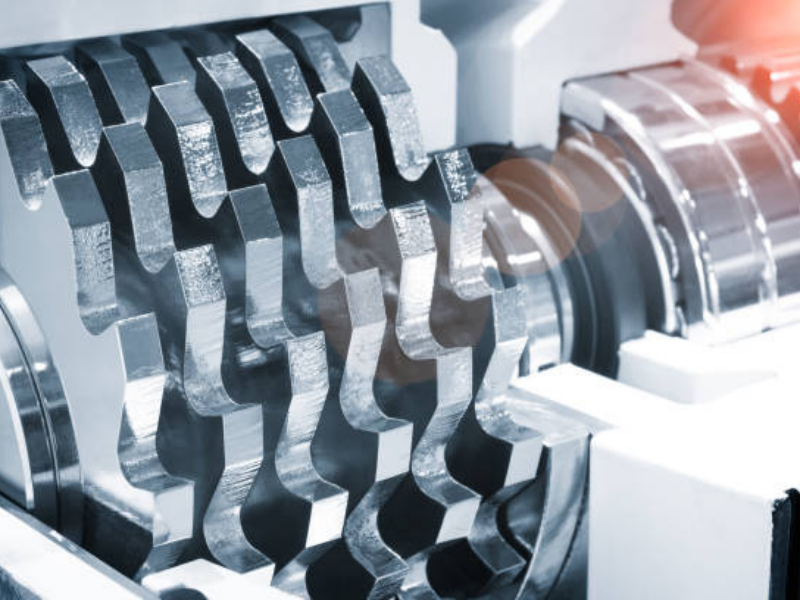
Hook blades, flat blades, and claw blades are the three most frequently used double shaft shredder machine blade types.Chosen correctly, these blade kinds help multimaterial shredding projects address several material characteristics; hence, they are crucial.
| Blade Type | Suitable Materials | Key Features |
| Hook Blade | Tires, Electronic Waste | High torque, strong gripping force |
| Flat Blade | Plastic Bottles, Foam | Fast cutting, fine shredding |
| Claw Blade | Mixed Light Metals, Appliance Shells | Balanced gripping and cutting ability |
3.2 Hook Blade: Ideal for Tough, Elastic Materials
Hook blades are meant especially for tires and electronic waste—materials that are strong, flexible, and prone to bounce.The curved, hooked profile lets the blade grasp materials strongly and exert significant torque to cut through resistant parts.
·Advantages:
·Superior gripping stops material slippage.
·Good for shredding elastic materials without jamming.
· Tough against impact and wear.
·Considerations:
·Higher torque needs raise energy use.
·Regular inspection required given the high stress encountered during operation.
3.3 Flat Blade: Optimal for Soft, Lightweight Materials
Flat blades are best for soft materials like foam products and plastic bottles.Their crisp, linear edges enable rapid chopping motions, hence producing neat cuts and beautifully shredded material production.
·Benefits:
·High cutting speed raises throughput.
·Generates constant particle size perfect for reuse.
·Less power usage than hook blades.
·Considerations:
·Less effective on rigid or elastic materials.
·To keep effectiveness, blade edges must be often honed.
3.4 Claw Blade: Versatile for Mixed Material Processing
Suitable for processing mixed materials like light metals and appliance shells, claw blades mix aspects of hook and flat blades.Their design lets the double shaft shredder machine to process diverse waste without frequent blade changes by striking gripping force with cutting ability.
·Benefits:
·Efficiently manages several different materials.
·By minimizing blade swaps, downtime is decreased.
·Good cut and grip balance.
·Things to bear in mind:
·May not be outstanding in extremely specialized shredding activities.
·Moderate maintenance needs.
3.5 Blade Selection Strategies for Multi-Material Operations
Consider these techniques to maximize blade use when using a double shaft shredder machine over several materials:
·Utilize a variety of blade kinds on the shafts to simultaneously manage several material characteristics.
·Process materials with comparable shredding needs in batches to minimize blade wear are grouped.
·Plan blade sharpening and inspections depending on substance abrasiveness and output level.
4.Automation Solutions to Improve Material Changeover Efficiency in Double Shaft Shredder Machines
Operators using a double shaft shredder machine are especially concerned about enhancing material changeover effectiveness, especially when handling several kinds of materials.Reducing downtime and maximizing output depend critically on automation and smart control systems.Many organizations use the following major technologies to simplify material swapping and preserve flawless operations:
4.1 Programmable Logic Controller (PLC) for Material Parameter Management
The double shaft shredder equipment may save and retrieve predetermined parameter profiles for several materials thanks to a programmable logic controller (PLC).This incorporates:
·Torque settings
·Blade speed
·Feed rate
·Safety standards
To guarantee the equipment is perfectly set up for every material type, operators can swiftly switch between profiles with few physical modifications.This automation helps to faster changeovers and consistent shredding quality by cutting down errors and setup time.
4.2 Fast Material Discharge Systems: Hydraulic Push or Reverse Discharge
Reducing downtime depends on quick removal of shredded material before moving on to a new batch. Modern double shaft shredder machines include quick discharge systems such as:
·Hydraulic pushers remove the chamber’s shredded debris forcefully.
·Automatic reverse rotation to back out remaining material and prevent clogging
These processes substantially reduce the material changeover time by letting the shredding chamber be quickly cleaned without need of human interaction.
4.3 Automatic Shaft Cleaning Systems to Minimize Residue Build-Up
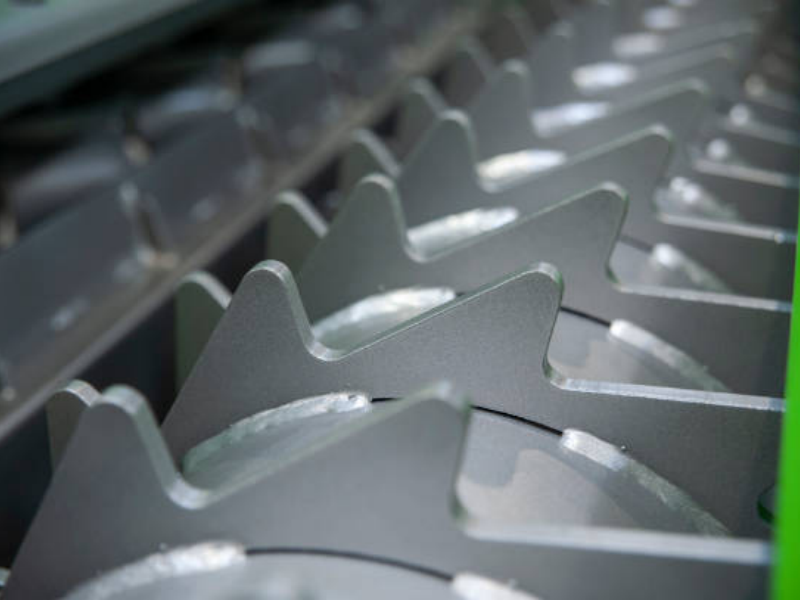
The process of changeover might slow down and shredding quality might suffer from residue adherence on shafts and blades.An automated shaft cleaning system supports in:
·Continuous blade surface cleaning with brushes, scrapers, or air jets
·Avoiding material buildup that creates uneven shredding or blockages
·Decreasing the frequency of hand cleaning helps to prevent
This double shaft shredder machine can change materials more fluidly and with less maintenance downtime thanks to this system’s improvement of operational continuity.
5.Selection and Cost-Benefit Analysis of Multi-Purpose Double Shaft Shredder Machines
Firms often have difficulties deciding whether to purchase numerous specialized double shaft shredder machines or a single adaptable multipurpose shredder when presented with the difficulty of sorting several kinds of materials.Both alternatives have unique trade-offs and benefits.The cost-benefit analysis of every option depends on five essential elements: original investment, upkeep cost, labor cost, space needs, and production capacity.
5.1 Comparative Analysis of Specialized Machines vs. Multi-Purpose Double Shaft Shredder Machine
| Factor | Multiple Specialized Machines | Single Multi-Purpose Double Shaft Shredder Machine |
| Initial Investment | Higher (purchase of multiple units) | Lower (one unit with versatile capability) |
| Maintenance Cost | Higher (different machines, parts) | Moderate (single system, but more complex parts) |
| Labor Cost | Higher (operation and monitoring of several machines) | Lower (centralized operation and control) |
| Space Requirement | Larger footprint due to multiple units | Smaller footprint, space-efficient |
| Production Capacity | Higher total capacity with parallel operation | Moderate, depends on machine capability and setup |
5.2 Recommended Scenarios for Equipment Selection
·High daily throughput with concentrated material type:
Companies producing great volumes of a narrow range of materials gain most from investing in several dedicated double shaft shredder machines running in parallel.Though with more capital and operational costs, this arrangement maximizes capacity and improves performance for every material type.
·Moderate to low throughput with mixed material types:
For operations processing different materials in somewhat or variable amounts, a single multipurpose double shaft shredder machine offers superior costefficiency.Its adaptability saves space, lowers the need for several machines, and makes maintenance and labor control easier.
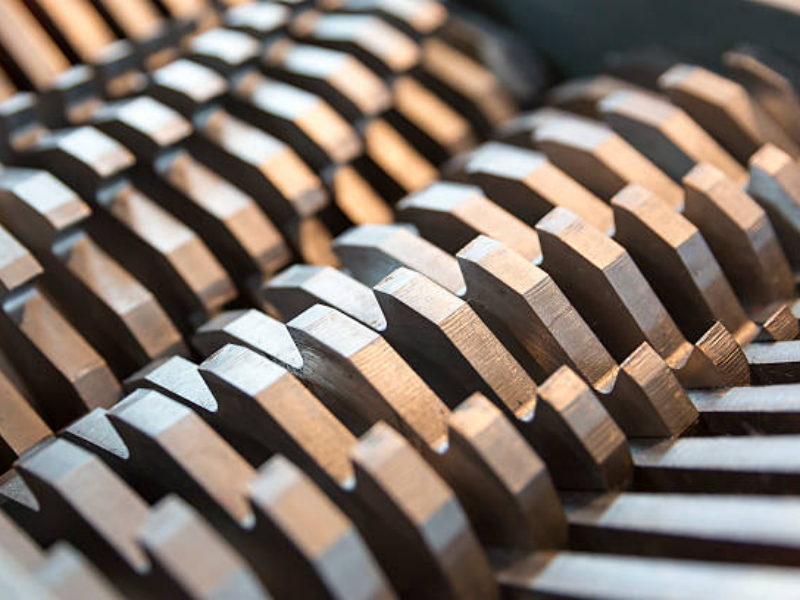
For companies dealing with several materials and having regular changeovers, selecting the best multipurpose double shaft shredder equipment is critical.Companies can greatly improve operating efficiency and lower downtime by knowing the particular hurdles of processing various materials, giving modularity and adjustable parts priority, choosing suitable blade types, and using automation to simplify material switching.
A good chosen shredder not only increases production but also decreases maintenance expenses and increases equipment lifespan.Your particular material mix and processing volume determine whether many dedicated pieces or one flexible machine is more advantageous for your business.Selecting wisely based on these important elements will help to guarantee the economical and efficient running of your shredding activities.